Olivia Zimmermann · 10 September 2026
Stonewell's Civic Engagement Thrives Amid Planning Adjustments and Volunteer Initiatives
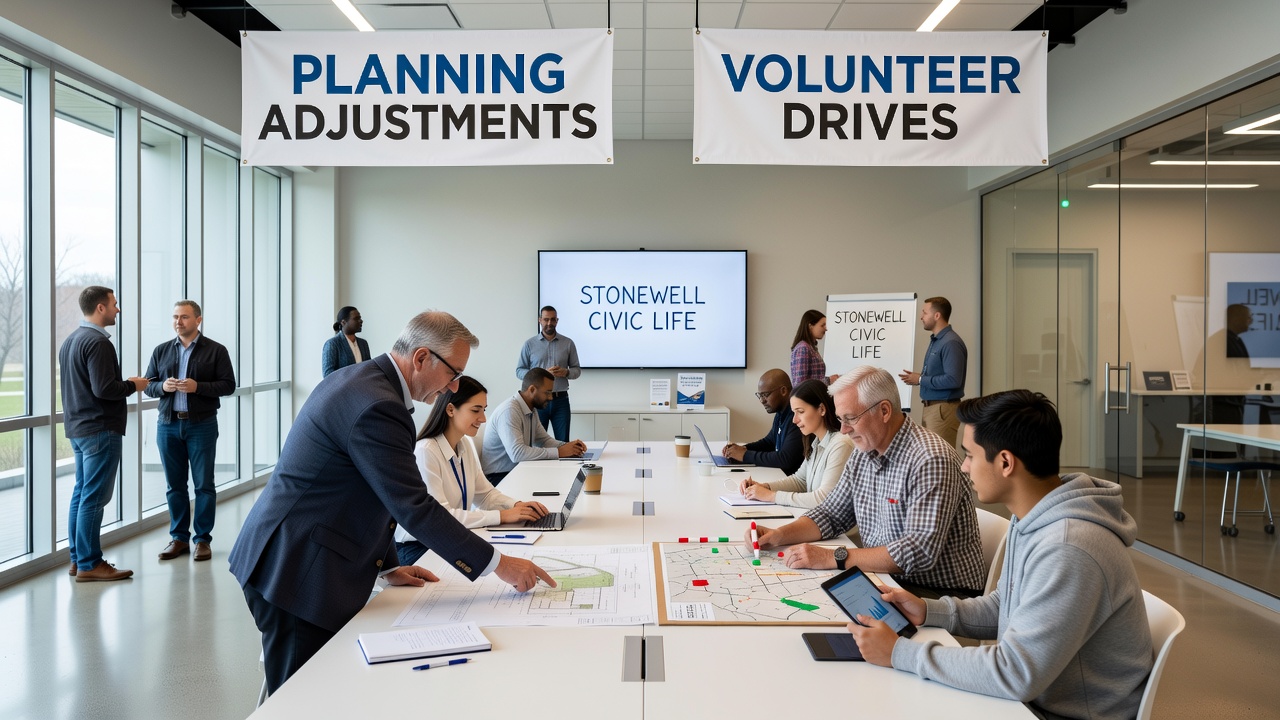
Stonewell residents have turned their attention to planning adjustments that reshape local development guidelines while volunteer drives gather momentum across neighborhoods, creating a steady rhythm of civic participation that defines the community's daily operations. Data from municipal records shows these efforts intensified through the first half of 2026, with public comment periods on zoning revisions drawing consistent turnout at town hall sessions. Observers note that adjustments to land use policies now incorporate feedback loops designed to balance growth with preservation of open spaces, and those adjustments have already influenced three major permit applications reviewed since March.
Planning Adjustments Take Center Stage
Local planning boards revised several key ordinances in response to resident input collected over the previous year, including updated height restrictions on new commercial buildings and modified setback requirements near residential zones. Figures released by the Stonewell Planning Department indicate that 47 public hearings occurred between January and August 2026, with attendance averaging 85 participants per session. These meetings addressed everything from stormwater management upgrades to traffic flow modifications along Main Street corridors, and the resulting policy tweaks now require developers to submit detailed impact assessments before any construction permits advance. Researchers at regional universities have documented similar patterns in other mid-sized towns, where such structured review processes lead to fewer appeals after approvals are granted.
One notable change involves the integration of green infrastructure mandates into all new subdivision plans, a shift that aligns wth broader environmental standards tracked by the Environmental Protection Agency. Residents who attended the August workshops learned how these rules affect everything from parking lot designs to tree canopy targets, and they received printed guides explaining the timelines for compliance. The adjustments also introduced digital portals for submitting feedback, which recorded over 1,200 comments in the first month of operation alone.
Volunteer Drives Expand Reach
Volunteer recruitment campaigns launched in early summer have expanded participation in several longstanding community programs, including park maintenance crews and literacy tutoring initiatives at the public library. Organizers reported that 312 new volunteers signed up through coordinated registration events held at the community center during July and August, bringing total active participants to nearly 900 across all tracked programs. These drives emphasize flexible scheduling options, allowing people with varying work patterns to contribute without long-term commitments, and they include training sessions on topics ranging from native plant restoration to conflict resolution techniques for neighborhood mediation teams.
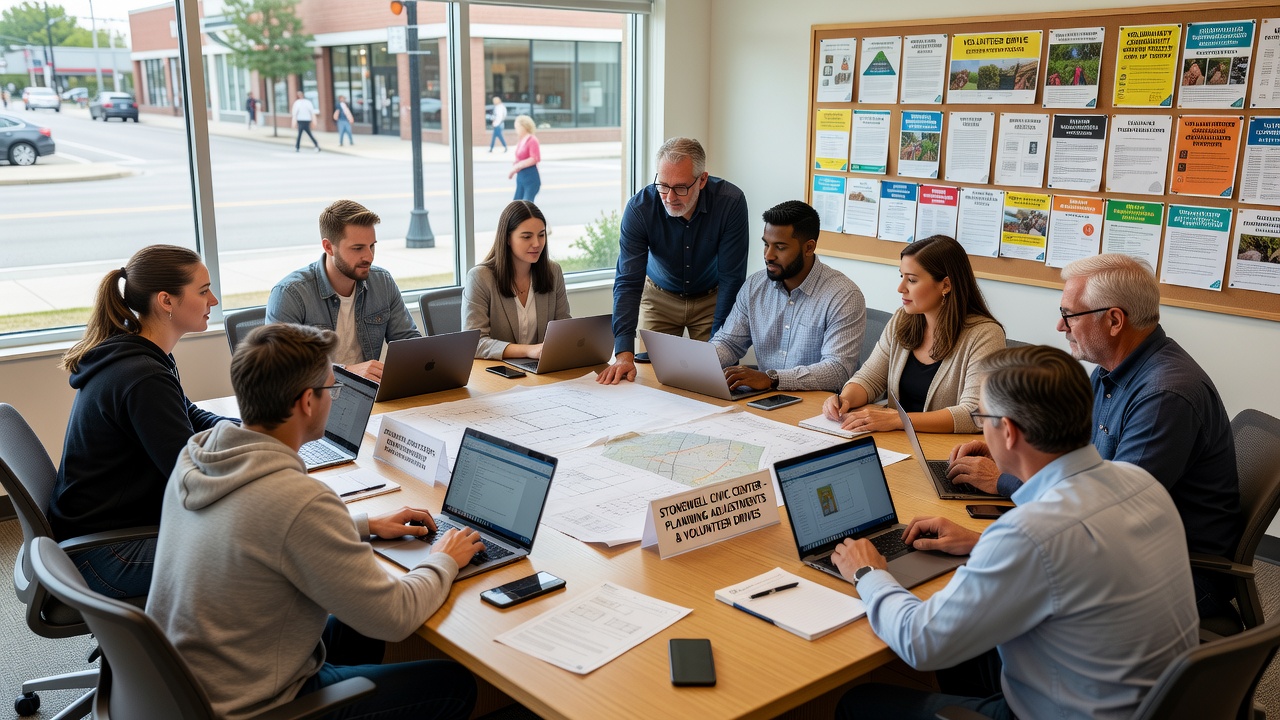
Coordinators have partnered with regional workforce development agencies to connect volunteer experiences with skill-building opportunities, creating pathways that sometimes lead to paid positions in municipal services. Attendance logs from the September 2026 kickoff events show strong representation from younger demographics, with participants aged 18 to 35 comprising roughly 40 percent of new sign-ups. Programs focused on senior companionship and food distribution networks have seen particular growth, as word-of-mouth referrals among families continue to amplify outreach efforts.
Connections Between Planning and Volunteering
Planning adjustments and volunteer drives often intersect in practical ways, such as when residents volunteer to monitor compliance with new landscaping rules along approved development sites. Town records indicate that 28 individuals joined a citizen oversight group formed in response to the updated zoning language, and this group now conducts monthly site visits while submitting reports directly to the planning board. Similar collaborations have emerged around traffic calming measures, where volunteers assist with data collection on vehicle speeds before and after infrastructure changes take effect.
Those who have studied civic participation patterns note that communities maintaining both formal planning channels and active volunteer networks tend to sustain higher rates of resident involvement over multiple election cycles. Stonewell's approach includes regular cross-promotion between planning meetings and volunteer fairs, which helps newcomers understand how their contributions fit into larger municipal goals. The September 2026 calendar already lists joint workshops that combine education on upcoming land-use proposals with hands-on volunteer projects in affected areas.
Broader Context and Ongoing Developments
Stonewell's activities reflect trends documented by the National League of Cities, where municipalities increasingly rely on hybrid models that blend regulatory updates with grassroots volunteer support to address resource constraints. Local data indicates these combined efforts have reduced the average time required to complete minor permit reviews by approximately 18 percent compared with 2024 benchmarks. At the same time, volunteer hours logged in environmental stewardship programs now exceed 4,500 for the current calendar year, according to the parks and recreation department's tracking system.
Additional adjustments under consideration include refinements to affordable housing incentives and expanded requirements for public art installations in commercial zones, both of which will undergo further public review before the end of 2026. Volunteer drives continue to adapt their messaging to highlight specific upcoming projects, ensuring participants know exactly where their time produces visible results in the community.
Conclusion
Stonewell demonstrates how planning adjustments paired with sustained volunteer drives can maintain steady civic momentum throughout the year. Municipal reports confirm that these parallel tracks continue to draw measurable participation, while policy updates reflect accumulated resident input gathered through multiple channels. As September 2026 progresses, the town's calendar shows additional opportunities for involvement that build directly on the frameworks established earlier in the year.