Sam Krüger · 22 October 2026
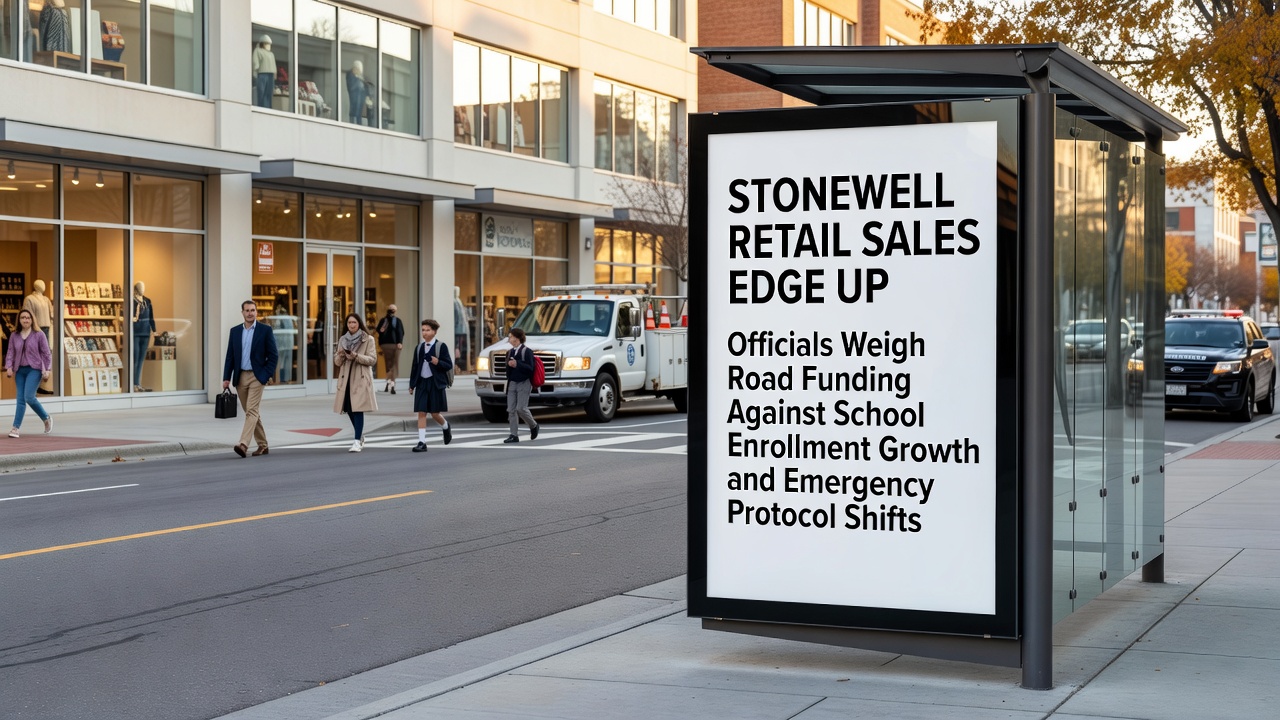
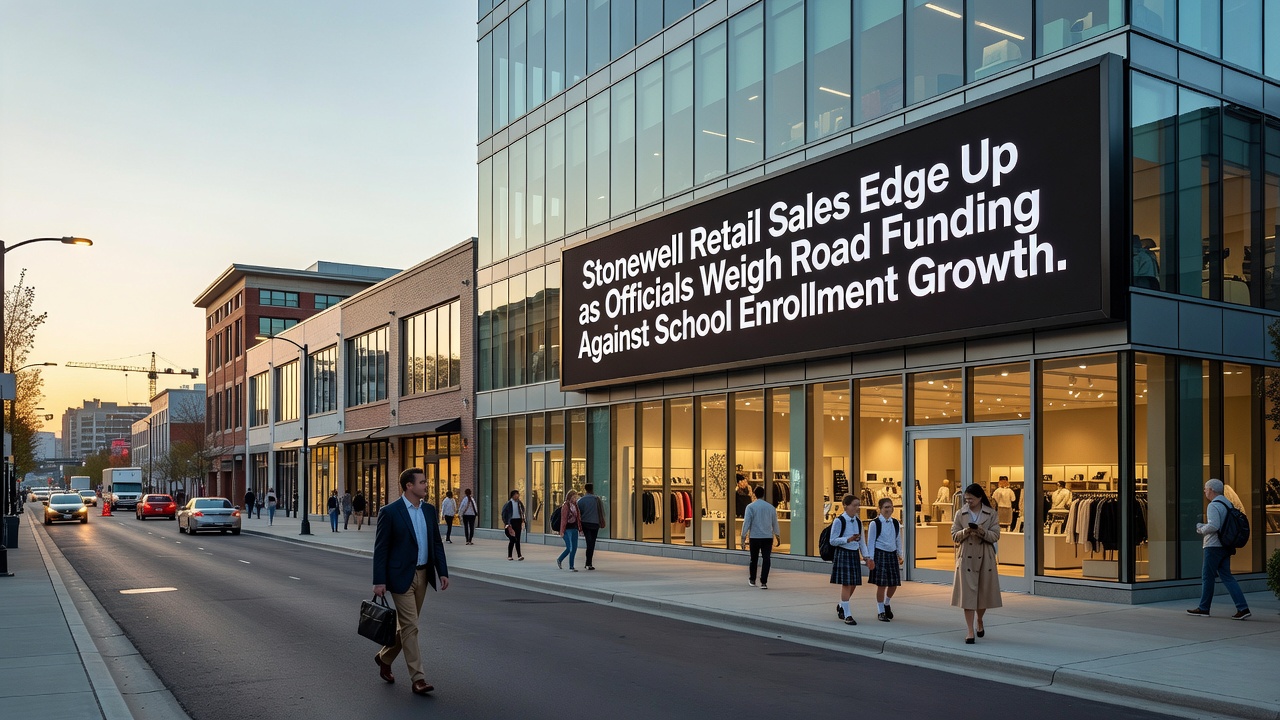
Stonewell Retail Sales Edge Up as Officials Weigh Road Funding Against School Enrollment Growth and Emergency Protocol Shifts
Stonewell retail sales have shown a modest increase through the third quarter of 2026, according to local economic reports compiled by municipal analysts, while town officials continue to balance competing priorities for infrastructure investments, educational resources, and public safety updates. Data from the Stonewell Chamber of Commerce indicates that overall sales rose by 2.8 percent compared to the same period last year, driven primarily by gains in home goods and specialty food outlets, whereas apparel and electronics categories remained flat. This uptick coincides with broader regional trends documented by the U.S. Census Bureau, which tracks monthly retail figures across similar mid-sized communities in the Northeast corridor.
Retail Trends and Local Economic Indicators
Observers note that foot traffic in the downtown core has climbed steadily since late summer, with several businesses reporting stronger weekend volumes tied to harvest festival preparations and seasonal promotions. Figures reveal that independent retailers accounted for much of the growth, while chain stores experienced more variable results depending on inventory cycles. People who've monitored these patterns for years point to stable employment levels in nearby distribution centers as one contributing factor, alongside consistent visitor numbers from adjacent townships. What's interesting is how these sales gains have not yet translated into significant property tax revenue increases, leaving budget planners with limited flexibility for new expenditures.
Budget Priorities Under Review
Officials have scheduled a series of public hearings beginning in October 2026 to address funding allocations for road maintenance projects, school expansion plans, and revisions to emergency response protocols. Road infrastructure needs have drawn attention after recent assessments identified several segments requiring resurfacing to handle increased commercial traffic, whereas school enrollment projections show a 4.1 percent rise over the next two academic years based on birth rate data and housing permit records. Emergency protocol shifts involve updating coordination procedures between local fire, police, and medical units following state-level guideline changes issued earlier this year.
One study revealed that similar communities have faced comparable trade-offs when enrollment growth outpaces available classroom capacity, prompting discussions about modular additions versus full facility upgrades. According to Statistics Canada reports on municipal budgeting practices in comparable jurisdictions, such decisions often hinge on long-term demographic forecasts rather than short-term revenue spikes. Those who've studied these dynamics know that retail sales improvements can sometimes mask underlying pressures on public services when population increases occur unevenly across age groups.
School Enrollment and Infrastructure Linkages
School board representatives have presented updated enrollment models that factor in new residential developments approved over the past 18 months, while transportation planners have highlighted how additional students could affect bus routes and crossing safety measures near retail corridors. Researchers discovered through analysis of prior cycles that early investment in road improvements around school zones can reduce future maintenance costs by up to 15 percent, according to transportation studies from the European Commission. The ball remains in the court of the finance committee to determine sequencing, since emergency protocol enhancements require dedicated training budgets that compete directly with capital projects.
Emergency Response Updates and Coordination
Protocol shifts under consideration include expanded mutual aid agreements with neighboring districts and integration of new digital dispatch systems, changes that officials say will improve response times during peak retail hours and school-related events. Data indicates that calls for service in mixed-use zones have risen modestly alongside the sales uptick, creating a feedback loop where economic activity and public safety demands intersect. Experts have observed that communities investing in integrated planning across these areas tend to see more efficient use of limited funds over multi-year cycles.
Community Input and Next Steps
Public forums scheduled through the remainder of October 2026 will allow residents to review detailed cost estimates and projected timelines for each category. Figures from past budget cycles show that retail growth alone rarely covers the full scope of combined infrastructure and service needs, leading planners to explore grant opportunities from federal and state sources. One researcher who examined similar cases noted that transparent prioritization processes help maintain public confidence even when not all requests receive immediate funding.
Conclusion
Stonewell continues to navigate these intersecting issues as retail sales provide a positive but limited signal amid broader fiscal considerations. The outcomes of upcoming deliberations will shape how the town allocates resources across roads, schools, and emergency systems in the months ahead, with data from multiple agencies guiding the process.