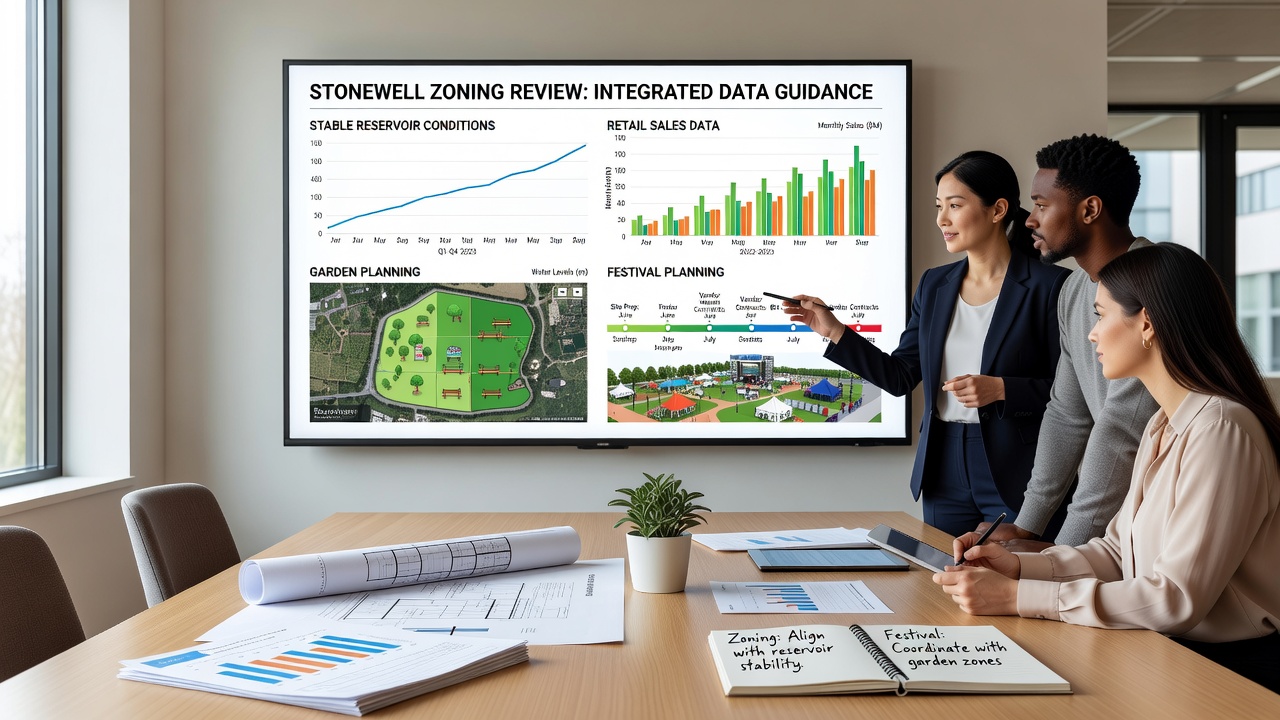
Gisela Wagner · 24 September 2026
Reservoir Stability and Retail Trends Shape Stonewell Zoning Reviews Alongside Garden and Festival Preparations
Stable reservoir conditions combined with detailed retail sales figures have started guiding zoning reviews in Stonewell while planners coordinate garden expansions and upcoming festival schedules for September 2026. Local authorities track water level consistency across the reservoir system because consistent readings reduce uncertainty in land use evaluations and allow developers to align projects with environmental baselines. Data from monitoring stations shows that reservoir volumes have remained within established parameters over recent quarters which in turn supports more predictable assessments for residential and commercial zoning applications.
Reservoir Data Integration in Planning Processes
Engineers and municipal staff review reservoir metrics monthly to determine how water availability affects proposed developments and associated infrastructure needs. Consistent levels mean fewer adjustments to drainage plans or irrigation requirements for new garden spaces which often sit adjacent to zoned areas. Observers note that these stable readings help streamline approvals because teams can reference historical patterns rather than reacting to fluctuations that might otherwise delay reviews.
Planners incorporate the same reservoir insights when scheduling festival logistics because outdoor events rely on reliable water access for sanitation and landscaping. September 2026 preparations include mapping zones where temporary structures can be placed without straining reservoir resources and this approach draws directly from ongoing environmental reports.
Retail Sales Figures Inform Economic Zoning Criteria
Retail sales data collected through regional statistical agencies provides another layer of input for zoning committees. Figures reveal shifts in consumer spending that influence decisions about commercial space allocations and mixed-use developments. When sales in certain categories hold steady or grow planners adjust density requirements to match projected demand while protecting green corridors earmarked for community gardens.
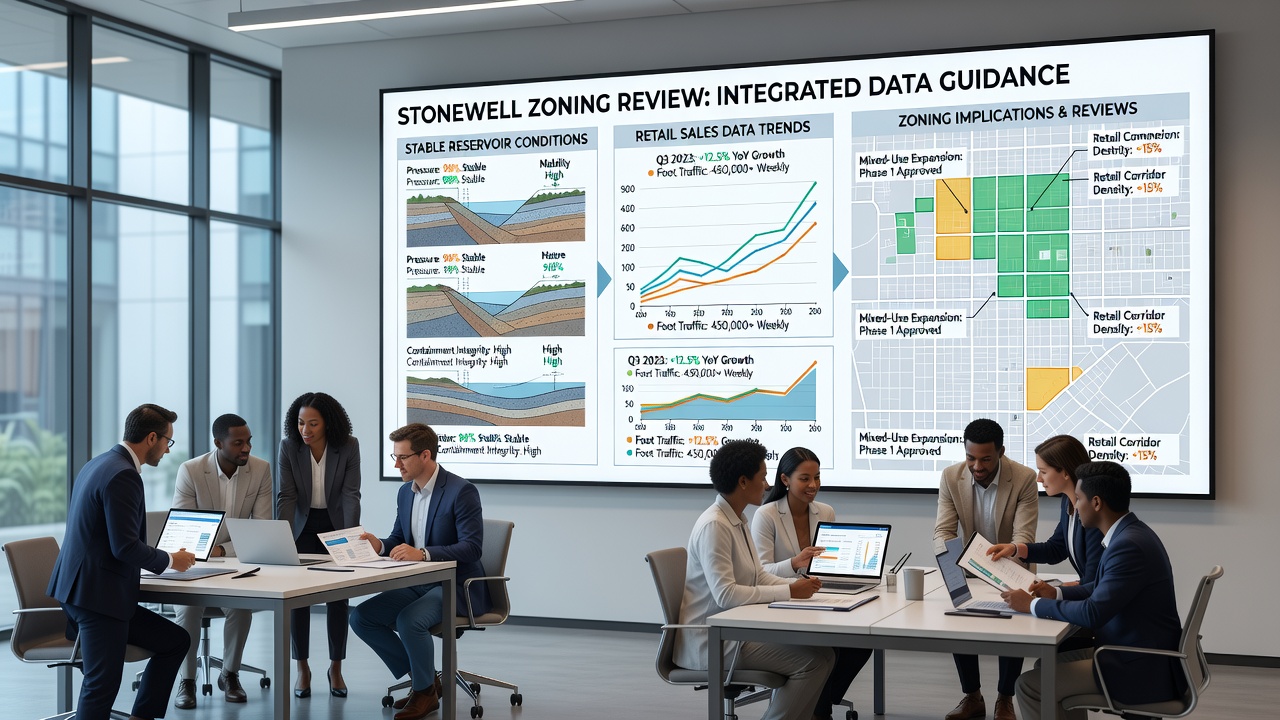
Analysts cross-reference retail trends with zoning maps to identify locations where new retail outlets could complement rather than compete with existing garden initiatives. This method ensures that economic activity supports rather than disrupts the agricultural and recreational elements planned for the same timeframe as the 2026 festivals.
Coordinated Garden and Festival Planning
Garden projects and festival layouts advance in parallel because both depend on the same zoning framework. Teams allocate plots based on soil stability linked to reservoir proximity and they schedule planting cycles to coincide with festival setup periods. Retail sales patterns help predict attendance and vendor needs so organizers can refine booth placements and traffic flow without revisiting core zoning decisions.
One study from the University of Melbourne on integrated urban planning highlights similar coordination methods used in comparable regions. Those findings show that combining environmental data with economic indicators leads to fewer revisions during final permitting stages.
September 2026 Timeline and Implementation
By September 2026 the combined inputs from reservoirs and retail metrics are expected to finalize several zoning adjustments. Festival organizers will then activate garden-adjacent venues while retailers finalize pop-up locations that align with updated land designations. Environment and Climate Change Canada reports on water resource management provide additional context for how stable conditions translate into long-term planning reliability across multiple jurisdictions.
Conclusion
Stonewell continues to integrate reservoir stability readings with retail sales analysis to refine zoning outcomes that simultaneously support garden development and festival execution. This data-driven coordination maintains consistency across environmental and economic factors while preparing the community for events scheduled in September 2026.